
"tanzania peaberry"
400 article(s) found

Tanzania coffee beans grade characteristics_Tanzania PB coffee and AAA coffee beans expensive
Professional coffee knowledge exchange More coffee bean information Please pay attention to coffee workshop (Weixin Official Accounts cafe_style) Tanzania is a country with rich coffee history and a large coffee planting area. The main producing areas are Mount Kilimanjaro and Mount Meru. They are two volcanoes with very fertile soil. The coffee system and flavor are similar to Kenya.

What is the variety of Arusha coffee beans? how is the Tanzanian flavor?
Professional coffee knowledge exchange more coffee bean information please follow coffee workshop (Wechat official account cafe_style) Tanzania is a country with a rich coffee history and a vast coffee growing area, the main producing areas are Mount Kilimanjaro and Mount Meru, they are two volcanoes with very fertile soil, coffee system and flavor are similar to Kenya, and coffee is the main economy of the country.

Tanzania Kilimanjaro Coffee Flavor description Taste Variety characteristics region introduction
Tanzania Kilimanjaro Coffee Flavor description Taste Variety characteristics the producing area introduces the export of Kilimanjaro coffee, but in addition to Mount Kilimanjaro, there are several major coffee producing areas throughout Tanzania, and there are more small farms in other areas. most small farms also have a planting area of several hundred mu, and some have their own washing equipment and bean drying farms, but graded treatment is still necessary.

Introduction to the taste of Kilimanjaro coffee with woody aroma
Tanzania is also often compared with its nearest neighbor Kenya. It is said that the earliest Arabica coffee in Tanzania was introduced by Christians from Kenya and is similar to Kenya in flavor characteristics. With grapefruit aromas and soft and bright acidity. However, because the economic conditions of Tanzania are worse than those of Kenya, the production conditions are poor. Tanzania is concerned about quality.

Medium alcohol Tanzanian coffee Flavor Taste Manor Features Fine coffee Introduction
Tanzania's eastern coastal areas and inland parts of the lowlands belong to the savanna climate, the western inland plateau belongs to the tropical mountain climate, most of the average temperature of 21-25℃. More than 20 islands of Zanzibar have a tropical maritime climate, hot and humid all year round, with an average annual temperature of 26℃. [6]Rainfall types are divided into bimodal distribution and unimodal distribution. Areas with bi-modal rainfall include

Coffee knowledge introduction of all kinds of coffee introduction of Indian coffee
Tanzania coffee green bean / Peaberry raw PB coffee beans from Tanzania, usually the top grade, most of the Tanzania beans are grown in Mr. Kilimanjaro and Mt, near the northern Kenyan border. The Meru area, commonly known as "Clemangaro", is occasionally known as the distribution center Mosh.

Taste characteristics of coffee grinding degree in Tanzania introduction of boutique coffee bean manor in producing area
The coffee producing areas of Tanzania are Moshi, Mbeya and other producing areas around the foothills of Kilimanjaro in the north, and the Songea-Ruvuma area where the Ruvuma river flows to the south. The style is slightly different due to the different growth topography. The coffee produced in Ruvuma, southwest of Tanzania, has wine and fruit aromas, which are different from those near Mount Kilimanjaro in the north.

Introduction to the characteristics of varieties in the producing area of Tanzania Coffee Flavor description treatment in Acid sense Convergence
Tanzanian coffee is mostly washed. After picking, coffee farmers will send the coffee fruit to the nearest processing plant for processing. The treatment step of the water washing method is to screen and remove the impurities in the coffee fruit, then remove the coffee pulp and exocarp, send it into the fermentation tank, and remove the pectin layer from the inner pericarp by fermentation. Clean

Kilimanjaro Coffee roasting degree Fine Coffee Flavor taste description Manor introduction
Tanzanian coffee is mostly washed. After picking, coffee farmers will send the coffee fruit to the nearest processing plant for processing. The treatment step of the water washing method is to screen and remove the impurities in the coffee fruit, then remove the coffee pulp and exocarp, send it into the fermentation tank, and remove the pectin layer from the inner pericarp by fermentation. Clean

What is the difference between coffee beans and female beans? What is the difference between coffee beans and female beans?
Professional barista exchanges, please pay attention to coffee workshop (Weixin Official Accounts cafe_style) often heard that friends and colleagues went to Indonesia to play, brought back local rare and valuable coffee powder, but also heard that it is very good to drink. But what is a male bean? What is a mother bean? Coffee has a gender?

Introduction to Arusha Coffee Manor
The coffee beans produced here are all exported from Kilimanjaro, but in addition to Mount Kilimanjaro, there are several major coffee producing areas throughout Tanzania, there are more small farms in other areas, and most small farms also have a planting area of several hundred mu. Some have their own washing equipment and bean drying farms, but the grading treatment still has to go through large-scale treatment.

Introduction to the flavor and taste producing area of Arusha Coffee Manor with pure and fragrant flavor
Tanzania coffee is mostly washed. After picking, coffee farmers will send the coffee fruit to the nearest processing plant for processing. The treatment step of the water washing method is to screen and remove the impurities in the coffee fruit, then remove the coffee pulp and exocarp, and send it into the fermentation tank to remove the pectin layer on the inner pericarp by fermentation.

Description of coffee flavor in Tanzania introduction of taste characteristics of fine coffee beans in producing areas
Mount Mount Kilimanjaro, located in northeastern Tanzania, is the highest mountain in Africa at 5895 meters above sea level. The ultra-high altitude makes the top of the mountain snow all the year round, while Tanzania's main coffee producing area is located at the foot of Mount Kilimanjaro. The area is rich in volcanic soil, which brings an adequate supply of nutrients for the growth of coffee trees. Coffee trees are usually planted above 1150 meters.

Smooth and soft Tanzania Coffee Flavor description characteristics of Grinding degree introduction of varieties in producing areas
The eastern coastal areas and inland lowlands of Tanzania have a savanna climate, while the western inland plateau has a tropical mountain climate, with an average temperature of 21-25 ℃ in most areas. More than 20 islands in Zanzibar have a tropical maritime climate, which is hot and humid all the year round. The annual average temperature of 26 ℃ is divided into bimodal distribution and unimodal distribution. Areas with double bee distribution of rainfall include Victoria

Description of Tanzanian Coffee Flavor with Chocolate aftertaste introduction to the characteristics of roasting area
Tanzania is rich in mineral resources. By 2014, the major minerals identified include gold, diamond, iron, nickel, phosphate, coal and various gemstones, ranking fifth in Africa in total. Tanzania also has huge natural gas reserves. According to official data released by Tanzania, Tanzania has proven natural gas reserves of 44 trillion cubic feet, and the total reserves are expected to be at least

The mystery of the gender of coffee beans: understanding what is meant by "round beans"? What are the characteristics?
Professional coffee knowledge exchange more information on coffee beans Please pay attention to the gender mystery of coffee beans in the coffee workshop (Wechat official account cafe_style): know what is meant by "round beans"? I often hear people say that friends and colleagues go to Indonesia and bring back the local precious, rare and valuable "round bean" coffee powder. But what is a round bean? What is a mother bean? Coffee

Grinding scale of coffee beans in Tanzania introduction to the description of manor flavor by variety treatment
Tanzanian coffee is mostly washed. After picking, coffee farmers will send the coffee fruit to the nearest processing plant for processing. The treatment step of the water washing method is to screen and remove the impurities in the coffee fruit, then remove the coffee pulp and exocarp, send it into the fermentation tank, and remove the pectin layer from the inner pericarp by fermentation. Clean
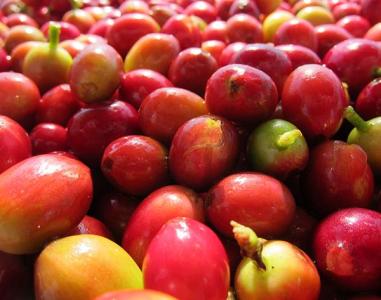
Grinding scale of coffee beans in Tanzania introduction to the taste of manor by variety treatment
Tanzania's main coffee producing area, located at the foot of Mount Kilimanjaro, is rich in volcanic soil. Some coffee trees planted here are more than 100 years old. Coffee was first introduced by Christians from Kenya to grow coffee. Coffee trees must be carefully taken care of, weeded and fertilized. And old branches must be cut off so that new branches can grow to maintain the quality of coffee beans.

Tanzanian coffee flavor with the aroma of grapefruit the taste of the manor area features fine coffee beans.
Tanzania is an East African country south of the equator, bordered by Uganda and Kenya to the north and the Republic of the Congo, Rwanda and Burundi to the west. It is hot and humid all the year round, with an average temperature of 21-25 ℃ in most areas. Precipitation is divided into long and short rainy seasons, and the annual precipitation is abundant. The economy is based on agriculture, coffee is one of the main cash crops in Tanzania, in Tanzania, Arabica coffee

Introduction to the method of taste treatment for the description of flavor of coffee beans in Tanzania
The characteristics of Tanzanian coffee beans flavor description taste treatment method Tanzanian coffee is often treated by washing, coffee farmers will send the coffee fruit to the nearest processing plant for processing. The first step of the washing method is to screen and remove the impurities in the coffee fruit, then remove the pulp and exocarp of the coffee, and send it into the fermentation tank.